
- Published 23/02/2026
The UK's Strangest Car Graveyards and What Happened to Them
Across Britain, there are places where cars went to die - but never quite made it to the crusher. From forgotten forest clearings to industrial wastelands, these accidental car graveyards tell stories of abandonment, changing times, and sometimes deliberate preservation. Here's a look at some of the UK's most unusual vehicle resting places.
The Forest of Dean's Hidden Wrecks
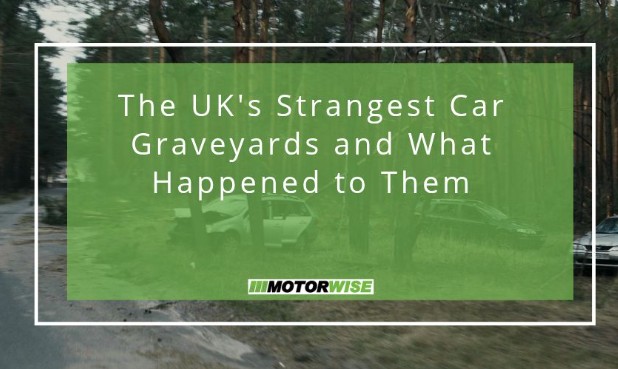
Deep in the Forest of Dean in Gloucestershire, walkers occasionally stumble upon rusting vehicles half-swallowed by vegetation. These aren't recent dumps - many date back to the 1950s and 1960s when attitudes to disposal were rather different. Locals simply drove unwanted cars into the woods and walked away.
The Forestry Commission has gradually removed many of these wrecks over the decades, but some remain in areas too difficult to access with recovery equipment. They've become oddly atmospheric features - trees growing through wheel arches, moss covering bonnets, nature slowly reclaiming the metal. What was once fly-tipping has become accidental art.
The Pembrokeshire Army Range Relics
On the Castlemartin military range in Pembrokeshire, you'll find vehicles that met a rather more violent end. The Ministry of Defence uses old cars and trucks for target practice, and the landscape is dotted with bullet-riddled shells of former family saloons and commercial vehicles.
Public access is limited, but during permitted walking days, visitors can see the eerie remains. Unlike abandoned cars elsewhere, these wrecks are deliberately placed and serve a continuing purpose - even in destruction. Some have been there for decades, slowly rusting into the Welsh landscape while newer additions arrive regularly.
The Thames Estuary Mudflats
The mudflats along the Thames Estuary hide a surprising number of vehicles dumped over the years. At extreme low tides, the outlines of cars emerge from the mud - ghostly reminders of a time when the river was an easy disposal option. Most date from the mid-twentieth century when regulations barely existed.
Removing them now is practically impossible. The cost of extraction from deep mud, combined with environmental concerns about disturbing contaminated sediment, means most will remain where they are indefinitely. They've become part of the estuarine ecosystem, providing hard surfaces for marine life in an otherwise soft environment.
The Scottish Highlands Abandoned Vehicles
Remote Highland locations sometimes become final resting places for vehicles that simply couldn't complete their journeys. Breakdowns in areas with no mobile signal and limited recovery options occasionally resulted in cars being abandoned where they stopped, particularly before modern recovery services reached these areas.
Estate managers and councils periodically organise removal operations, but the logistics of extracting vehicles from remote glens can be challenging and expensive. Some wrecks have sat in the same spots for decades, becoming local landmarks. 'Turn left at the old Ford' is genuine navigation advice in some communities.
Why These Places Existed
Before the End-of-Life Vehicles Directive and modern ATF licensing, scrapping a car was largely unregulated. If you owned land, you could accumulate vehicles. If you didn't, remote locations offered easy disposal. Environmental consciousness was lower, enforcement was minimal, and cars were seen as disposable objects rather than recyclable resources.
The transformation since the 2000s has been remarkable. Today's licensed Authorised Treatment Facilities must meet strict environmental standards, track every vehicle processed, and achieve 95% recovery rates. The days of simply abandoning cars in forests or mudflats are firmly over - and environmental recovery continues at many former dumping sites.
A Different Approach Today
Modern scrap car services represent the opposite of these chaotic graveyards. Vehicles are collected efficiently, processed safely, and materials recovered systematically. The contrast between a 1960s forest dump and a 2026 ATF couldn't be starker - from environmental disaster to circular economy in just a few decades.
Those strange graveyards remain as reminders of how things once were. Some have historical interest, others ecological value, but none represent a model worth returning to. When your car reaches the end of its life today, it deserves better than a mudflat or a forest clearing - and the systems now exist to ensure it gets exactly that.
